Savannah & the Low Country
WINDOW CLEANING
IN SAVANNAH
Streak-free interior and exterior window cleaning that brightens your home and boosts curb appeal. Screens, sills, and tracks included.
WHAT WINDOW CLEANING INVOLVES
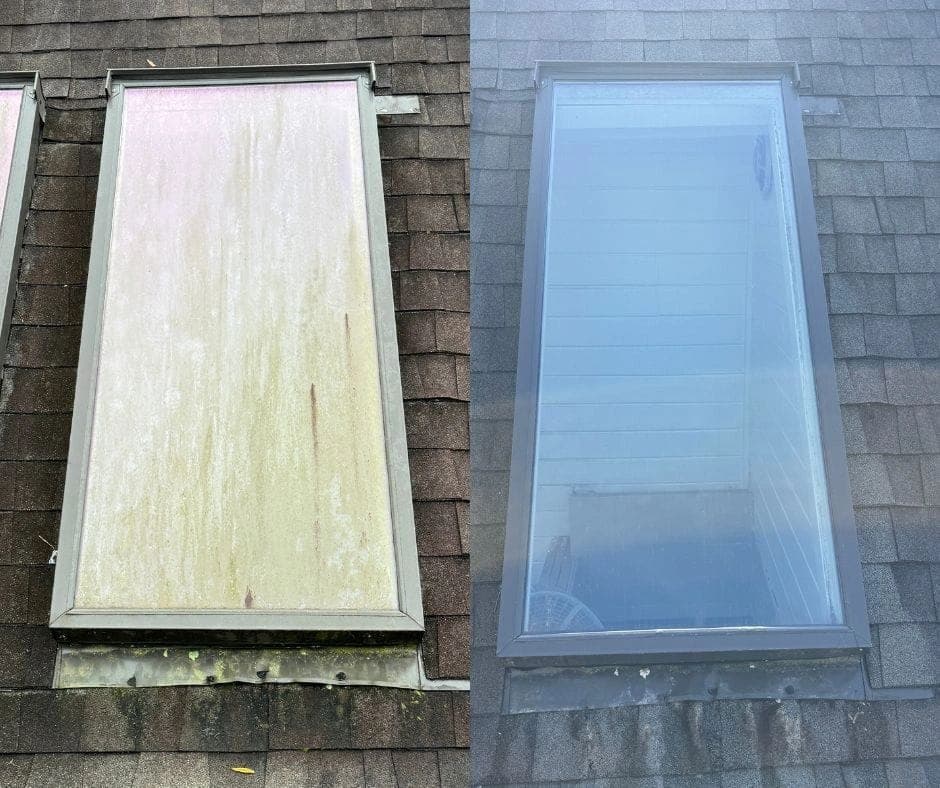
Window cleaning covers the glass inside and out, along with the frames, sills and tracks that collect grit and usually get skipped. Exterior glass in a coastal climate picks up more than dust: pollen through spring, salt film closer to the water, and the spotting left behind when hard water dries on the pane. Screens matter too, because clean glass behind a dirty screen still reads as dirty from inside the room. What a job involves comes down mostly to access and the number of panes: ground-floor casements go quickly, while multi-story elevations, fixed picture windows and anything above a roofline take longer. Tell us roughly how many windows and how many stories and we can work from there.
WHAT'S INCLUDED
Interior and exterior window cleaning
Streak-free, spotless glass
Screens, sills, and tracks included
Residential and commercial properties
Single-story and multi-story homes
Brightens rooms and boosts curb appeal
WHERE WE OFFER IT
Conditions change across the Low Country: soil, shade, salt and drainage all differ from one area to the next. Pick your area for what we run into locally.
COMMON QUESTIONS
What does window cleaning cost in the Savannah area?
Pane count matters more than square footage. A 2,000-square-foot home with a dozen large windows can take less time than a smaller historic house full of true divided lights, where every small pane is washed individually. Other drivers: interior plus exterior versus exterior only, number of stories, whether screens and tracks are part of the job, hard-water spot treatment, and how easy the outside access is. First cleanings usually run longer than maintenance visits. Give us a call at (912) 455-5073 and we can size it up with you.
How often should windows be cleaned in coastal Georgia?
Twice a year suits most homes here: once in late spring after the oak and pine pollen finishes, and once in fall after hurricane season, when wind-driven rain has stopped throwing grit at the glass. Tybee Island, marshfront, and other salt-exposed homes usually need three or four times a year, because the salt film comes back quickly. Vacation rentals and homes listed for sale often go on a shorter cycle tied to turnover.
Can you clean windows on a historic Savannah home with original glass?
Yes. Old glass, wood muntins and aged glazing putty call for hand washing with soft tools and controlled water, never pressure washing, which can drive water past dried putty and into the sash. Divided lights are cleaned pane by pane. If your house sits in a historic district, mention it when you call: rules there change from time to time, and it is worth knowing what currently applies before a date is set. Old masonry and tight courtyard access shape the approach too.
Can hard water spots from sprinklers be removed from windows?
Usually, if they have not been there long. Sprinkler overspray in Pooler, Richmond Hill and unincorporated Chatham leaves calcium and mineral deposits across the lower part of first-floor glass, and iron in the irrigation water can add an orange cast. Caught early, those deposits generally respond to a mineral treatment rather than plain soap. Deposits left through several summers can etch the glass, and at that point cleaning improves clarity but may not fully restore it. Aiming sprinkler heads away from the house prevents most of it.
Won't an afternoon thunderstorm undo a window cleaning?
Rain by itself is fairly clean. Windows look spotted after a storm because the rain picks up dust, pollen, and salt already sitting on the glass, frames, and sills, then drags it down the pane. Once the glass, tracks, and frames are actually clean, normal summer rain runs off without leaving much behind. We do not wash in active rain, but a storm in the forecast for tomorrow is not a reason to reschedule.
Other services we offer
Get a Free Quote